How hotels are turning live moments into loyalty, engagement and long-term value.

For hotel and accommodation brands, sponsorship has moved from a supplementary branding tool to a core component of their marketing strategy. As competition intensifies across both traditional hotel groups and newer accommodation platforms, the challenge facing brands is no longer basic awareness, but differentiation and long-term customer loyalty.
At the same time, digital performance channels have become increasingly expensive and saturated, driving diminishing returns for many travel and hospitality marketers. As a result, sponsorship is playing a growing role in delivering both audience scale and meaningful brand engagement.
Over the past five years, accommodation brands have significantly increased their presence across UK sport, using partnerships not only to drive visibility but to embed themselves within moments of passion, travel and experience. The sector now represents one of the most consistent investors in sponsorship, particularly across tier-1 sports and major venues, with a growing focus on experiential activations and loyalty-driven engagement.
How Hotel Brands Are Approaching Sponsorship
Sponsorship within this sector has become both widespread and sophisticated. While title sponsorship remains relatively rare, hotel groups have invested across official partner and supplier roles, particularly in sport, music and entertainment.
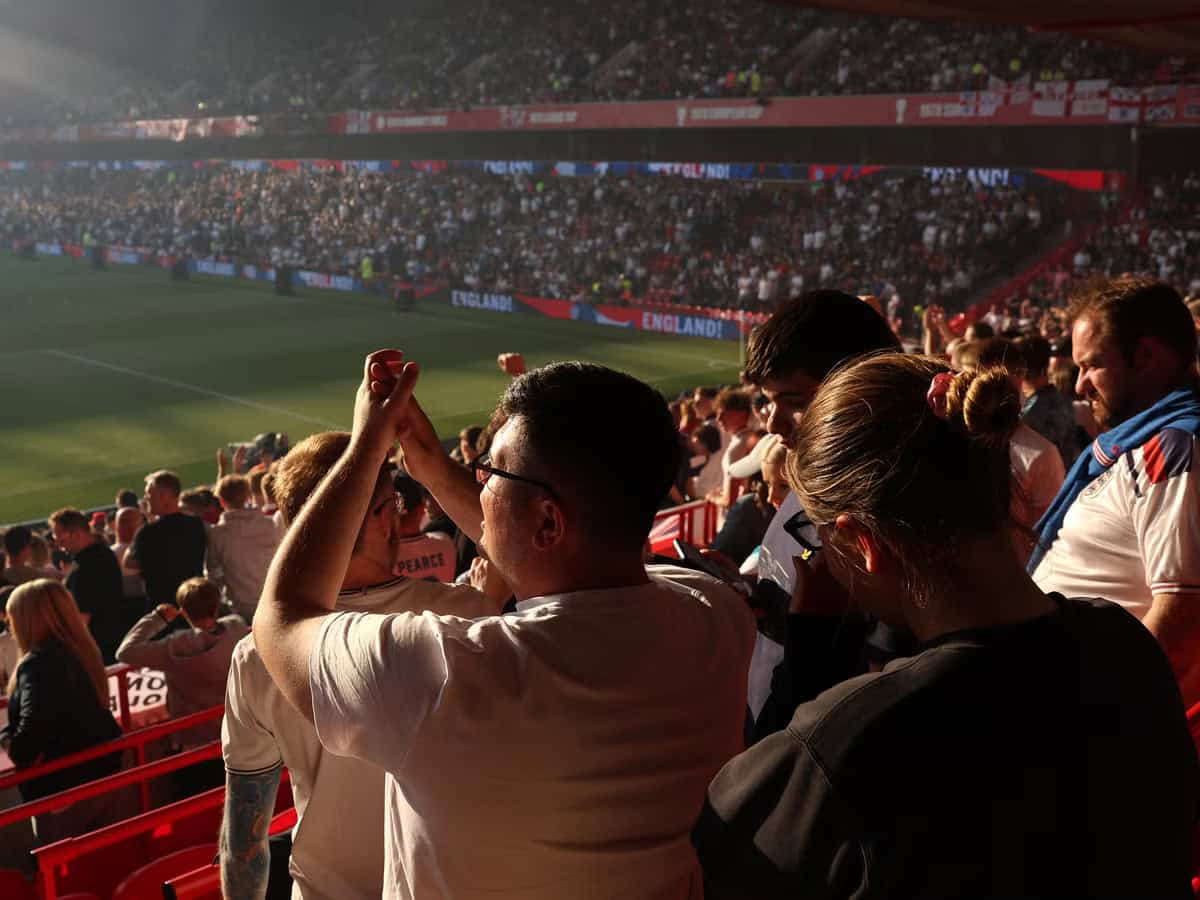
Within UK sport specifically, team partnerships now dominate both total spend and deal volume for hotel brands (GlobalData), reflecting the desire to align with properties that offer consistent exposure, strong fan loyalty and year-round activation opportunities. Venue partnerships rank second, providing brands with physical integration points that allow for hospitality experiences, branded spaces and immersive fan engagement. Federations, series and events follow, while athlete partnerships remain the least utilised, largely due to their limited scalability and shorter-term impact.
Several major hotel groups have emerged as long-term sponsorship leaders. Hilton has built a broad portfolio spanning football, golf, motorsport, cricket and live entertainment, consistently linking partnerships back to its Hilton Honors loyalty ecosystem. Marriott has positioned sponsorship as a gateway to “money-can’t-buy” experiences through its Bonvoy programme, integrating partnerships with the NFL, Manchester United, Formula 1 and major cultural properties. InterContinental Hotels Group (IHG) has similarly diversified across tennis, sport federations, music and entertainment platforms, increasingly prioritising experiential storytelling over traditional visibility.
And this is what unites the most effective accommodation sponsorship strategies: a shift away from pure brand exposure and towards experience-led marketing. Rather than simply associating with sport for reach, leading brands are using partnerships to create access, rewards and content that reinforce loyalty, elevate brand perception and embed themselves within travel-related moments.
The rise of sports tourism has further strengthened this approach. As fans increasingly travel for major sporting events, accommodation brands are uniquely positioned to convert sponsorship into direct commercial return, whether through official team stays, integrated stadium hotels, premium fan experiences or exclusive event packages. In this context, awareness from sponsorship is a non-negotiable, with more importance placed on driving bookings, loyalty and revenue.
The Data Behind the Decisions
From a spend and activity perspective, accommodation brands now represent one of the most active sponsorship categories within UK sport. Over recent years, the volume of hotel partnerships has steadily increased, with leading global hotel groups dominating the upper tier of sponsorship spend, while regional chains and boutique providers increasingly enter the market through targeted club and venue deals.
Benchmarking across sponsorship asset types reveals a clear preference for properties that combine broadcast exposure with live experiential potential. As noted earlier, team sponsorships offer season-long storytelling, consistent content opportunities and strong emotional loyalty from fans, while venue partnerships enable physical brand integration and hospitality-led activations. Event-based partnerships, though shorter in duration, are increasingly used to deliver high-impact experiential campaigns linked to loyalty programmes and premium travel packages.
At The Value Xchange, we use data to guide where sponsorship can genuinely add value. One of our core tools is Luscid, an audience intelligence platform that aggregates data from sources including GWI and Meltwater. Using Luscid, we analysed how tourism audiences engage across sport, culture, and live events, looking at reach, participation, digital consumption, and broadcast behaviour.
Luscid’s audience alignment modelling for accommodation brands in the UK highlights why football continues to attract most of the investment. More than 80% of the target audience actively follows football, with exceptionally high engagement across broadcast, digital and live attendance. From a pure scale perspective, no other passion point offers comparable reach or frequency of engagement.
However, when layering in broader lifestyle relevance, participation levels and emotional resonance, several additional properties emerge as highly effective yet comparatively underutilised.
Live music and large-scale cultural events score almost as strongly as football for overall brand alignment. These audiences display high travel motivation, strong social sharing behaviour and significant digital engagement, making them particularly attractive for experience-driven sponsorship strategies.
Sports such as rugby union, tennis, athletics and cycling also perform consistently well across Luscid’s alignment metrics. These properties combine strong broadcast visibility with meaningful participation rates, indicating communities where fans are not merely spectators, but active participants. For accommodation brands, this translates into repeated travel moments across tournaments, tours and national competitions.
Crucially, many of these properties display lower levels of sponsorship saturation compared to top-tier football, creating opportunities for brands to achieve stronger share of voice, deeper integration and more distinctive positioning at a lower overall investment threshold.
From a marketing effectiveness standpoint, partnerships that integrate experiential elements consistently outperform those limited to logo exposure (Freeman and Edelman DXI). Campaigns tied to exclusive access, hospitality experiences, loyalty rewards and immersive content drive higher recall, stronger emotional response and greater behavioural intent. This reflects wider evidence that the use of partner IP can increase overall marketing effectiveness by up to 20% (Nielsen Sports), primarily by transferring the passion and trust audiences place in sports and cultural properties onto sponsoring brands.
For accommodation brands, where emotional memory and experience are central to purchase decisions, this effect can be particularly powerful.
Who’s Doing It Well?
- Marriott Bonvoy x Mercedes-AMG Petronas Formula 1
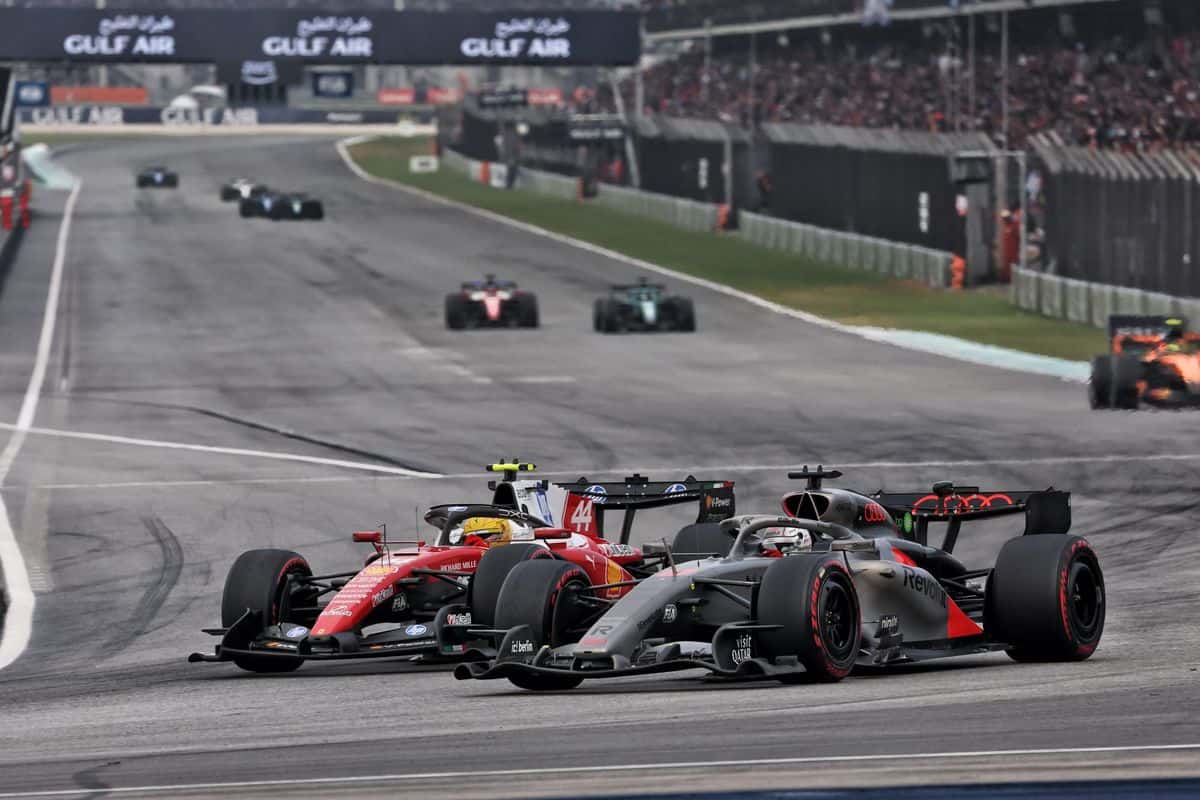
Marriott Bonvoy’s partnership with the Mercedes-AMG PETRONAS Formula 1 Team illustrates how brands can use sponsorship to drive loyalty and commercial engagement rather than pure awareness. Through its Marriott Bonvoy Moments platform, members can redeem or bid points for high-end F1 experiences, including paddock and garage access, hot laps, private hospitality and premium stays such as overnight accommodation aboard the team’s Monaco Grand Prix yacht.
The impact:
The partnership has become one of Marriott’s strongest-performing sponsorship assets, supporting improvements in brand perception and awareness among F1’s increasingly travel-focused global fanbase. Its evolution into content-led activation, most notably through the “Secret Concierge” social series featuring Jack Whitehall curating bespoke experiences for Mercedes drivers across host cities, has further extended reach and engagement across digital channels.
Why it works: The success lies in the strategic alignment between F1’s global footprint and Marriott’s international hotel network, while using loyalty points as a direct bridge between fandom and customer value. Sponsorship is positioned not as media exposure, but as a core extension of the Marriott Bonvoy experience.

- IHG Hotels & Resorts x Wilderness Festival
In 2023 and 2024, IHG partnered with Wilderness Festival to create the “IHG Hotel in the Wild”, a fully immersive pop-up hospitality experience blending luxury hotel moments with the creativity of a UK cultural event. Designed as an English country estate-inspired hangout, the space featured a concierge lobby, cocktail bar, floral al-fresco bedroom installations and interactive guest experiences.
The impact:
The activation became a central social hub for festival-goers and celebrities alike, driving high dwell time, content creation and brand engagement. Guests accessed VIP festival experiences using IHG One Rewards points, directly linking sponsorship to loyalty value. The campaign generated significant cultural buzz, delivering billions of media impressions and millions of social engagements, while reinforcing IHG’s positioning around heartfelt hospitality and experiential travel.
Why it works: IHG identified live cultural moments as powerful emotional connection points for modern travellers. By bringing hotel service, care and comfort into a festival environment, the brand made its product tangible in a high-energy setting. The activation demonstrated how sponsorship can translate brand values into lived experiences while driving loyalty participation and long-term brand affinity.

The TVX Perspective
The evolution of sponsorship within the accommodation sector reflects a broader shift in how modern marketing works.
Performance media remains highly effective at capturing existing demand, but increasingly struggles with long-term brand building in crowded markets. Sponsorship, when done strategically, fills this gap by creating emotional relevance, sustained visibility and experiential connection.
For hotel and accommodation brands, the opportunity is uniquely powerful. Their product is inherently tied to experience, memory and travel, making sport and live events natural platforms for storytelling and engagement.
However, the strongest results are achieved when brands move beyond default property selection and design sponsorship portfolios aligned with audience passion points, behavioural data and white space opportunity. While football will continue to play a central role, diversification into live events, participation-led sports and experiential partnerships offers significant untapped potential for both brand impact and commercial return.
At TVX, our work consistently shows that sponsorship delivers greatest value when treated as a marketing platform integrating media exposure, content creation, experiential activation and loyalty strategy, rather than as a standalone channel.
Looking Ahead: Where Hotel Sponsorship Goes Next
Sponsorship within the accommodation sector is set to become even more experience-led, data-driven and commercially integrated.
We expect continued growth in stadium hotel developments, venue-based partnerships and immersive fan experiences that merge travel, entertainment and sport. Loyalty ecosystems will increasingly sit at the heart of sponsorship strategy, with brands using exclusive access and experiential rewards to drive retention and lifetime value.
There will also be greater crossover between sport, music and cultural partnerships as brands seek year-round engagement beyond seasonal sporting calendars. Sustainability narratives are likely to play a larger role, particularly as environmentally conscious travel becomes a stronger purchase driver.
Over the next five to ten years, the most successful accommodation brands will be those that strategically align with the moments their audiences care about most and transform partnerships into meaningful experiences.
The TVX Role
If sponsorship is part of your marketing conversation, now is the moment to approach it with clarity, not guesswork.
At TVX, our free Discover Lite audit offers an introductory assessment to show where sponsorship can genuinely deliver value, based on real audience alignment, market opportunity and commercial impact.
If you’d like a clear, data-led starting point, get in touch.