From F1 season tickets to Wimbledon's grass-seed gin, we look at why the UK's biggest drinks brands keep coming back to sport, and the data behind why it works.
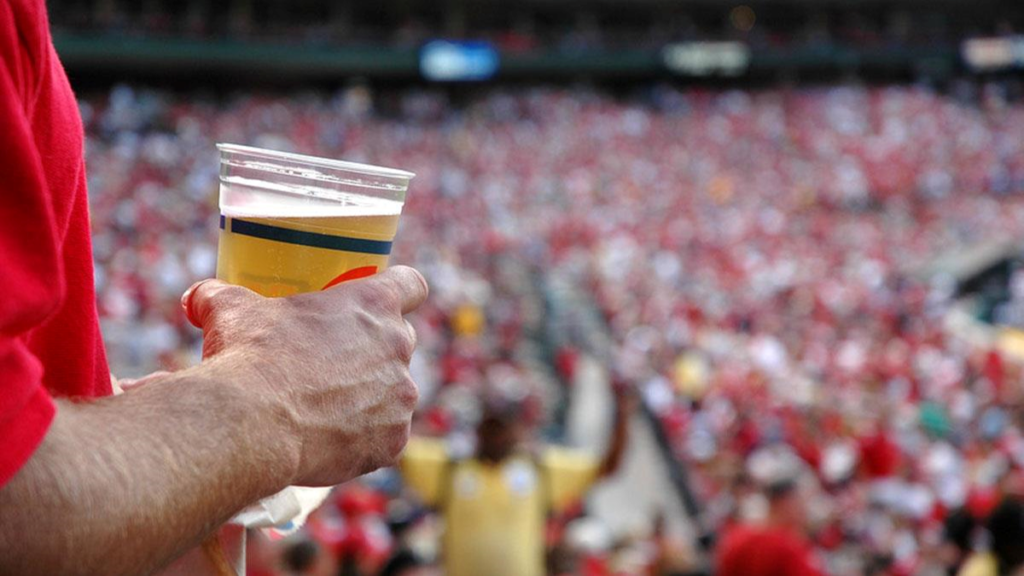
UK alcohol drinkers are 43% more likely to buy alcohol because live sport is on (YouGov).
Alcohol and sport have long been treated as an obvious, almost lazy pairing - a pint in hand, a match on screen. But what the UK's biggest drinks brands are doing in stadiums, trackside, across pubs and beyond has become far more deliberate. They are using audience data to pick their moments, leaning hard into zero-alcohol products, and building activations people actually want to take part in.
How Alcohol Brands Are Approaching Sponsorship
Beer leads the category by a distance. It's arguably the UK's favourite alcoholic drink, accounting for 42% of total UK alcohol sales, and it leads sponsorship activity too. Household brands like Heineken, Carling and Budweiser hold long-term deals across sport.
Cider and stout are smaller but active categories in their own right, led by Thatchers and Guinness respectively. The corporate weight behind the category runs deeper, with Diageo and Molson Coors treating sponsorship as a core strategy across their wider portfolios. Spirits tell a different story - several major gin and vodka brands show heavy commercial presence at sport venues, but much of that is pouring rights and vendor supply, not sponsorship.
Filtered down to sponsor-tier deals, the picture narrows to beer, cider and their zero-alcohol counterparts, with Heineken 0.0, Guinness 0.0, Carling and newer entrants like Athletic Brewing all competing for space in that same non-alcoholic corner of the market.
The Data Behind the Decisions
Using YouGov, we profiled two UK audiences, alcohol drinkers and No/Lo drinkers, against the national population.
Alcohol drinkers over-index on exactly the behaviours that make sponsorship work. They're 31% more likely to watch sport where activation happens, such as at pubs, bars, and big screens, and 14% more likely to visit a sponsor's social media page after seeing them. They're also on average 10% more likely to notice sponsorship touchpoints like ad breaks, graphic overlays and billboards. As mentioned earlier, they're 43% more likely to buy alcohol specifically because live sport is the occasion, making sport a strong purchase trigger for this category.
The No/Lo audience is, if anything, more responsive still. Compared to the general public, No/Lo drinkers are 2.7x more likely to acknowledge a sponsor, and 2.2x more likely than regular alcohol drinkers – arguably making them the most sponsorship-receptive audience in the category. Importantly, they're 81% more likely to visit a website and purchase after seeing a sponsor, and 26% more likely than alcohol drinkers to engage with fan clubs and forums. The perception of No/Lo drinkers has dramatically changed – no longer seen as settling for a watered-down option, they're a truly engaged sports audience in their own right and the data shows that.
There's a clear logic why so much recent activation leans on No/Lo options specifically. Using the alcohol-free variant as the face of a sponsorship keeps a brand visible in these moments while reaching a wider audience, and the recognition spills over to the main brand too. For example, F1 fans who see Heineken 0.0 branding across races don’t just register Heineken 0.0 – they see the whole brand. That's mental availability at work, with brands looking to stay front of mind for whichever product version a fan reaches for.
Who's Doing It Well
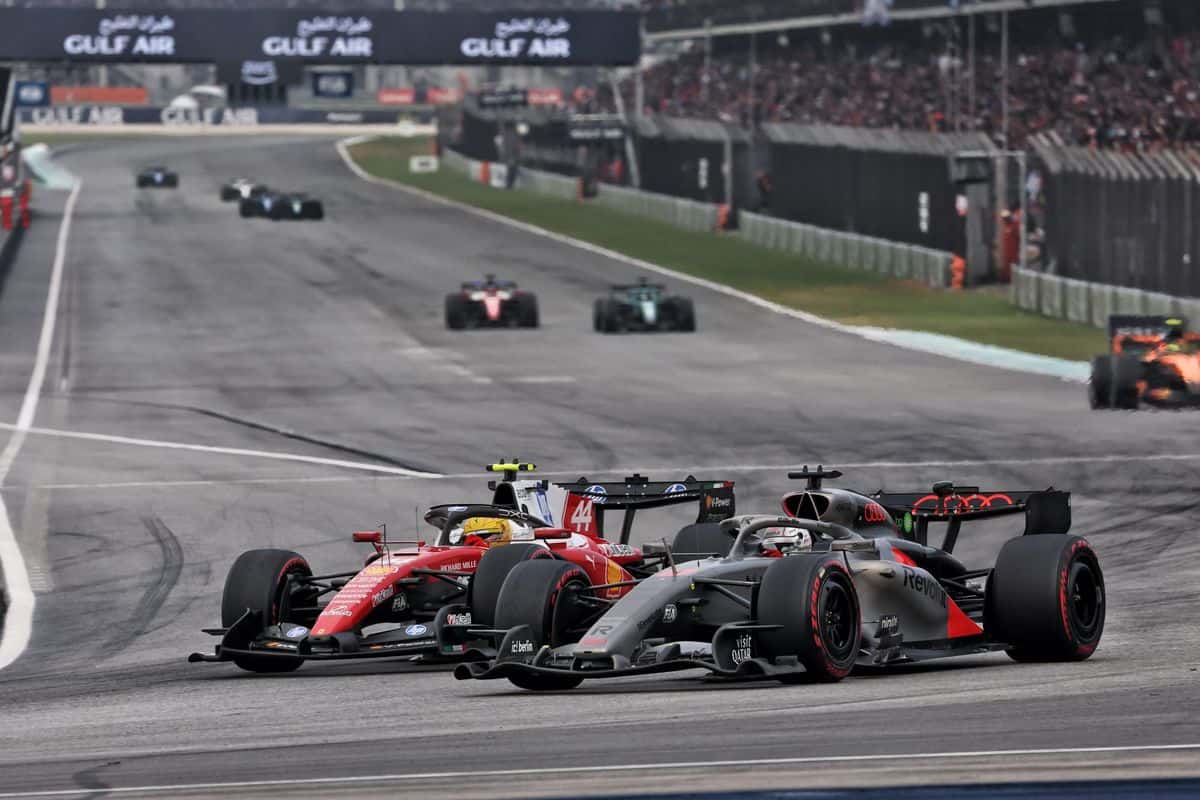
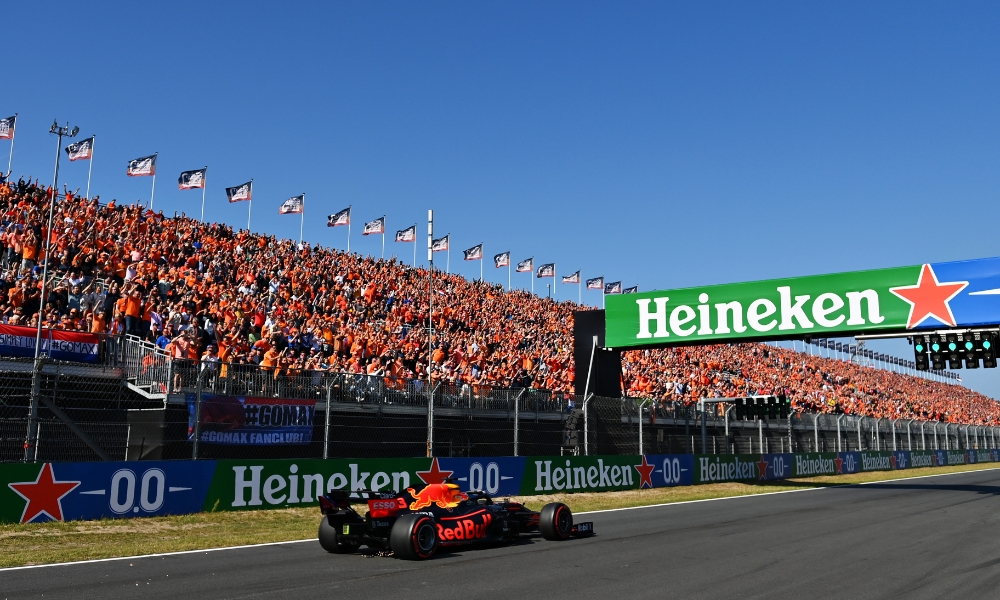
Heineken x Formula 1: Season Ticket
Marking the extension of its near-decade F1 partnership, Heineken launched the sport's first season ticket, a carbon-fibre pass giving one fan and a guest free access, travel and accommodation to every 2026 Grand Prix. Inaugural recipient Brandon Burgess (aka TikToker Full Time Formula) became a huge media story, and a second edition is already confirmed for 2027, fronted by Max Verstappen. Heineken 0.0 fronts the platform, including trackside F1 Fan Zones, but the exposure builds recognition for the wider brand too, not just the alcohol-free version.
Guinness 0.0 x Bristol City Women
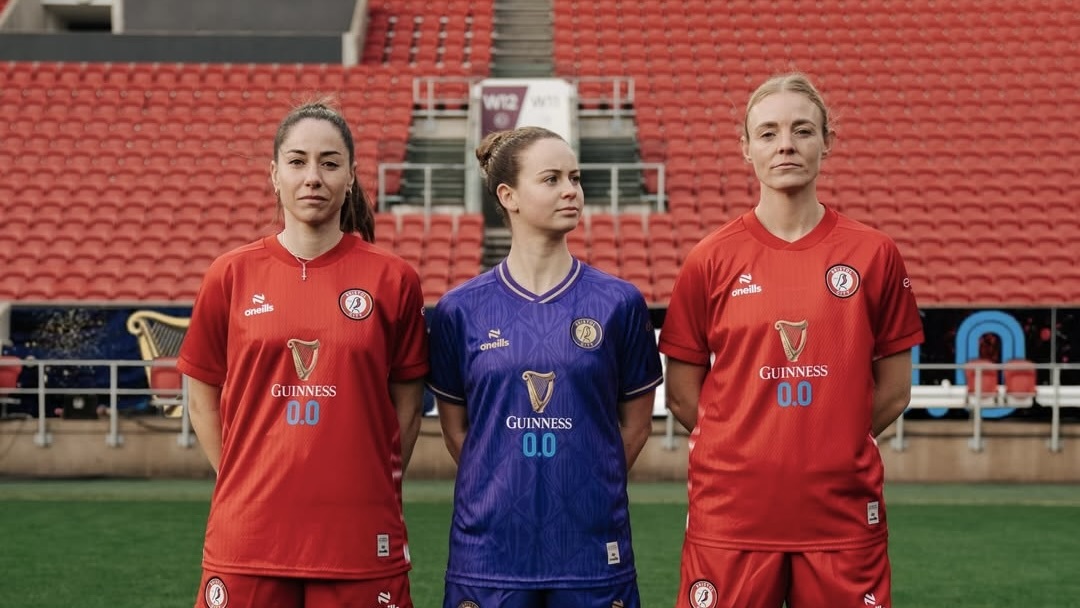
Guinness's most targeted piece of activity sits below its Premier League headlines. In January 2026, Guinness 0.0 became front-of-shirt sponsor of Bristol City Women in a multi-year deal, its first UK football shirt sponsorship in 30 years and part of a much bigger push into women's football. Guinness already partners with Arsenal, Aston Villa and Newcastle United, but with Ashton Gate one of the venues chosen for the WSL's in-seat alcohol trial, this gives Guinness access most sponsors don't get. The brand's own team has been clear this isn't just about matchday sales, but about reaching a younger, female audience who are increasingly discovering Guinness through its 0.0 option.
Carling x The FA: Behind Football
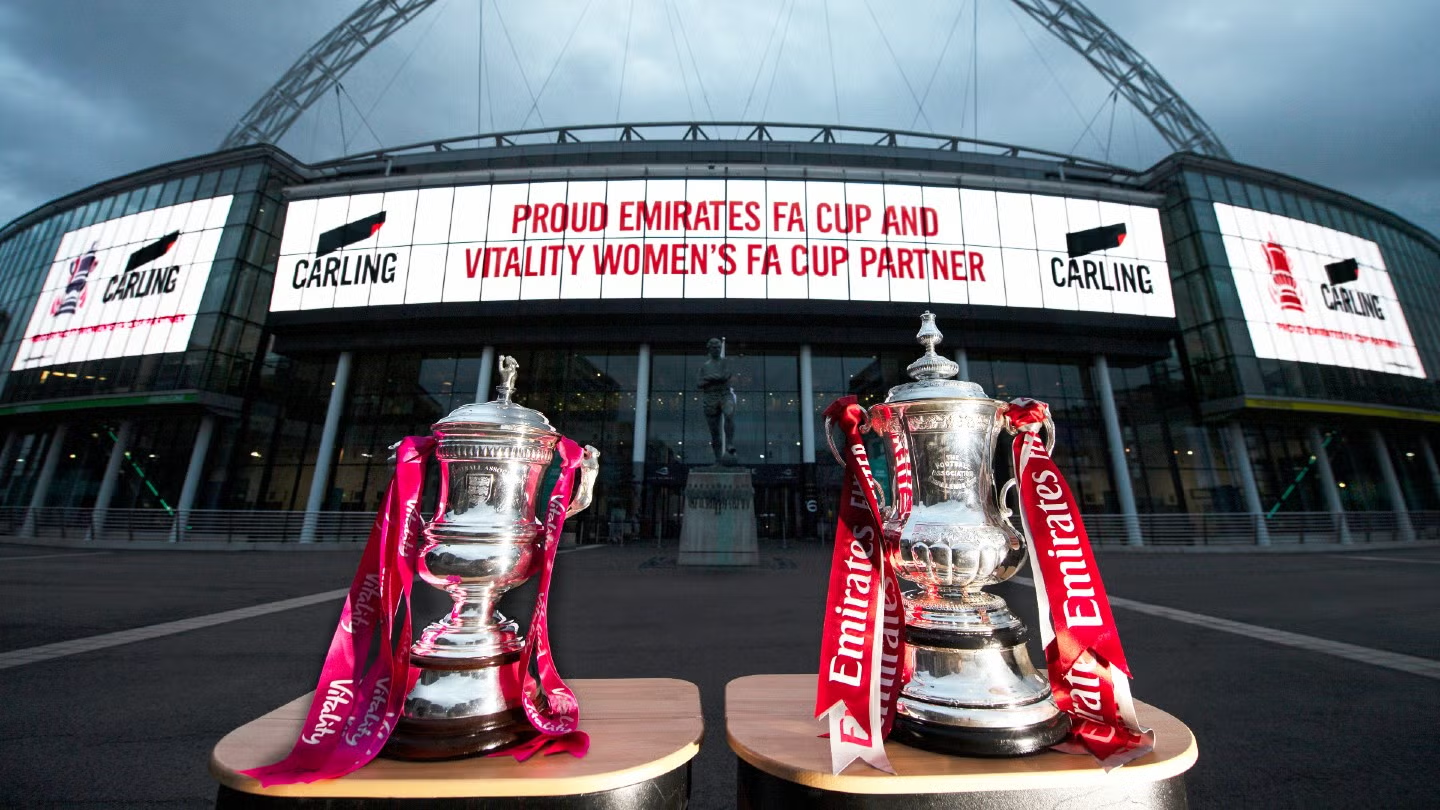
Carling is the Official Beer Partner of the Emirates FA Cup and Adobe Women's FA Cup. The partnership drives strong engagement, with its Could It Be Magic podcast featuring Joe Cole and Ashley Cole hitting 12.6M views in its first three episodes alone, enough to land it in the top 20 sports podcast charts on Apple and Spotify. The latest campaign, Behind Football, marked 32 years of the partnership by hiding 1,000 limited-edition retro cans in multipacks, running an Umbro fleece giveaway, and putting up billboards at Newcastle, Chelsea and Wolves (teams they have individual partnerships with) to advertise the hunt.
Thatchers x Hampshire Cricket
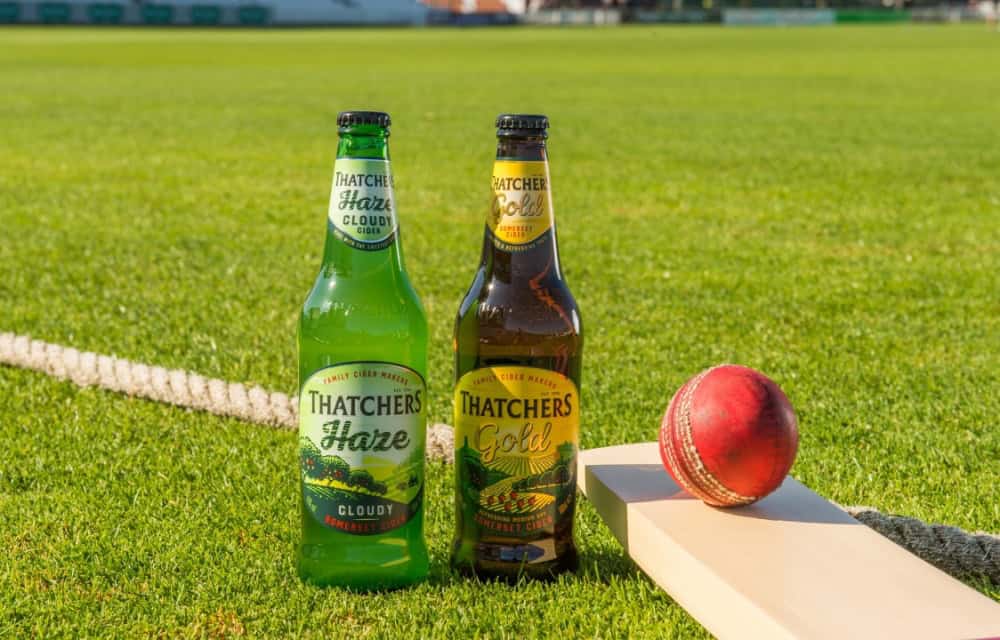
Thatchers signed a three-year deal with Hampshire Cricket in 2026 to become the Official Cider Partner of the Utilita Bowl. This forms part of the continued push to position Thatchers as a national brand beyond its West Country heartland, with the deal including pitch-side branding, a redressed bar at the Shane Warne Stand, stage sponsorship of BlastFest, and a new half-time fan competition during T20 matches. The full Thatchers range will be stocked across the ground, including Thatchers Zero alongside Gold and the fruit cider range. Smaller and more regional than the others here, but it's the same sponsorship logic playing out at county level.
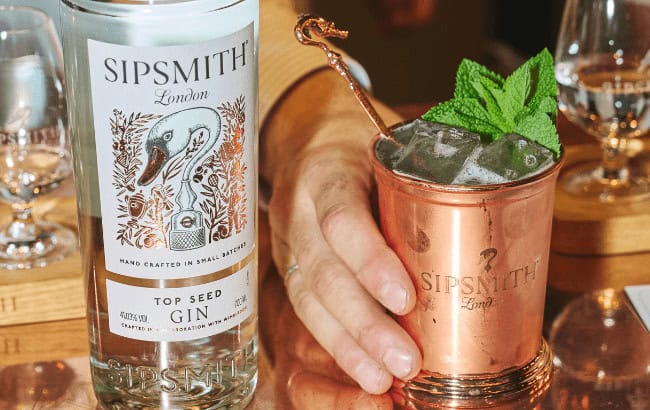
Sipsmith x Wimbledon: Top Seed Gin
Marking five years as Wimbledon's Official Gin Partner, Sipsmith distilled a limited-edition gin using real Centre Court grass seeds for the 2025 Championships, served as a secret off-menu cocktail with a take-home seed packet. A real industry first, and proof a challenger brand can produce one of the most talked-about activations of the summer on a fraction of the big players' budgets.
The TVX Perspective
What the activations point to is that alcohol has earned its place in UK sports sponsorship, arguably more convincingly than any other category right now. The data backs this up - alcohol drinkers notice sponsors, engage with them and buy because of them more than most other audiences do. What's changed recently is how deliberately brands are building around that response.
Heineken turned what could've been a routine renewal with F1 into a global fan story. Carling and Guinness took different routes to reach the same result: Carling built a podcast and retail campaign around three decades of history, and Guinness used its own sales data to work out exactly where a shirt deal would have the most impact. There’s real work going into earning attention, running alongside a deliberate, ongoing push toward zero-alcohol.
Expect the zero-alcohol thread to keep strengthening. With No/Lo drinkers over-indexing so heavily on sponsorship recall, purchase behaviour and sport as personal identity, brands have a clear commercial reason to keep building activation around No/Lo products, bringing them into the forefront of sponsorship within the category. More brands will likely follow those mentioned above, who have carved a strong path and produced the evidence needed for further investment, building activations people want to take part in rather than just paying for visibility.
The TVX Role
If sponsorship is part of your marketing conversation, now is the moment to approach it with clarity, not guesswork. At TVX, our free Discover Lite audit offers an introductory assessment of where sponsorship can genuinely deliver value, based on real audience alignment, market opportunity and commercial impact. Get in touch.