SaaS marketing often optimises for conversion, but underinvests in connection and community. Can sponsorship fix this?

SaaS is the operating system of modern business. The global SaaS market - currently valued at around £300 billion - is expected to double by 2030, with this rapid growth driven largely by AI integration and widespread cloud adoption. In North America alone, SaaS accounts for more than 40% of software revenue, with Europe and APAC rapidly catching up as businesses continue to adopt cloud‑based tools for everything from collaboration to security and finance. At the same time, retention has become the battleground. Most established B2B SaaS providers aim for annual churn of just 5-7%, because once a business chooses a provider, it rarely switches - and the longer it stays, the less likely it is to leave.
In this environment, SaaS marketing has grown sophisticated but also crowded. Product‑led brands obsess over SEO, review sites, PLG funnels and onboarding flows to convert self‑serve demand. Enterprise platforms layer account-based marketing, LinkedIn thought leadership, webinars and field events on top of this, building consensus across long buying journeys. The result is an engine that is excellent at converting in‑market buyers, but much weaker at creating emotional familiarity or a sense of belonging. Messaging converges around the same clichés – productivity, visibility, AI‑powered insights – and most touchpoints are short‑lived campaigns competing for the same attention.
That is where sponsorship can play a different role.
Sponsorship gives SaaS brands a way to prove their value in the wild, inside environments people already care about – clubs, teams, tournaments and live events – rather than just describing it in decks. When their software is integrated into how those properties operate, it transitions from behind-the-scenes tech to an important function of the fan experience. Every successful matchday, race weekend or tournament becomes a live case study that says: “this is the system trusted to help deliver what you are watching.”
How Sponsorship Fills the Gaps in SaaS Marketing
Most SaaS marketing today is rational, measurable, and heavily digital. That is its strength, but also its limitation. It over‑indexes on lower‑funnel activity such as demos, trials, and pipeline acceleration, while under‑investing in the long, slow work of mental availability and emotional connection. Buyers rarely see the product under real‑world pressure, encountering polished case studies rather than live operations. This marketing does little to create a connection around the brand, as using the software seldom conveys identity or community.
Sponsorship, when built around integration rather than just exposure, can address these gaps. It provides context by showing the brand in moments of genuine passion and focus. It showcases proof as the product is visibly or demonstrably doing something important for the property. And it builds community, with staff, fans, and partners experiencing the software as part of a shared mission.
Three examples help show what this looks like in practice.
- Salesforce x Tottenham Hotspur: CRM as Fan Infrastructure
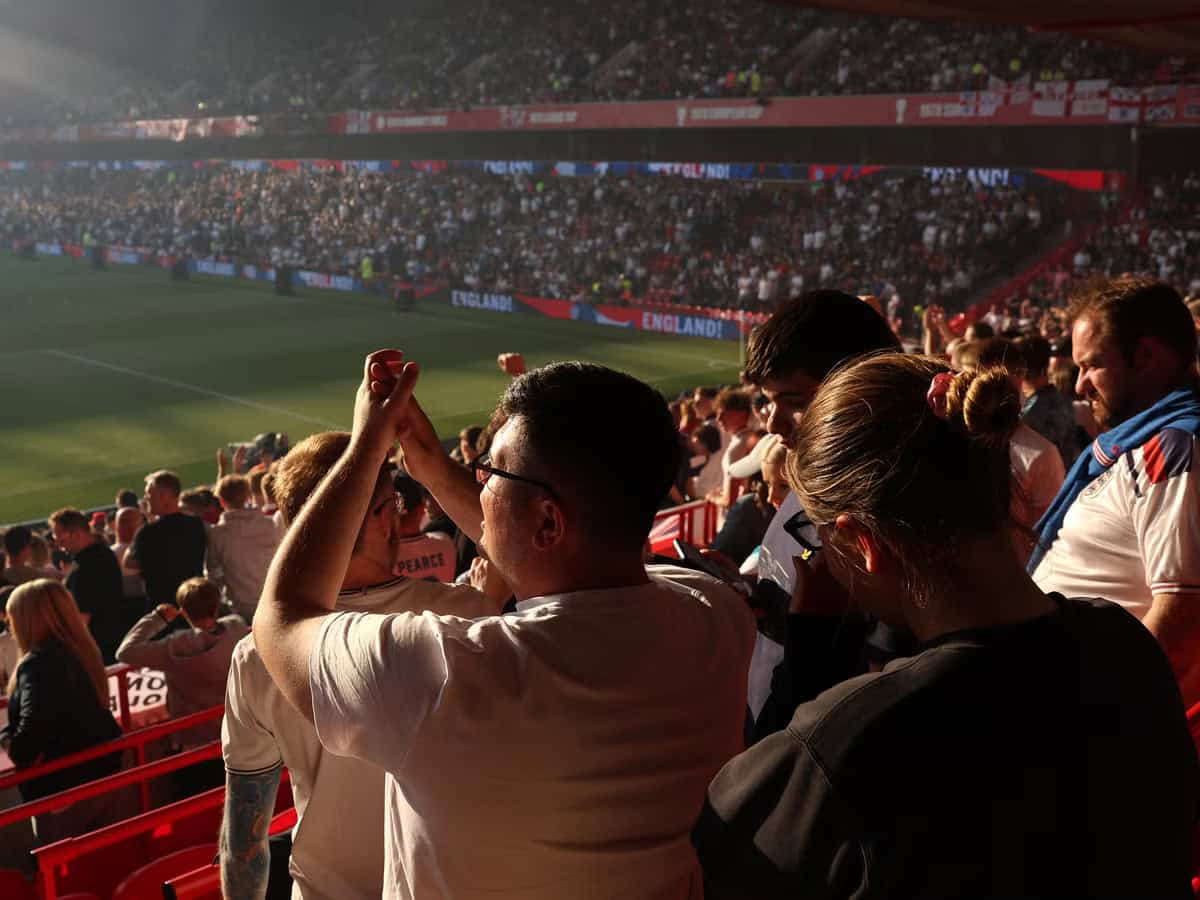
Salesforce’s partnership with Tottenham Hotspur is rooted in enhancing the fan experience to benefit all parties. The club uses Salesforce to connect ticketing, retail, content and hospitality into a unified view of each supporter, enabling personalised communication and tailored experiences at scale.
- For Spurs, this means smarter segmentation, more relevant offers, and a more joined‑up relationship with fans across channels.
- For supporters, it turns into timely communications, frictionless journeys and a sense that the club recognises them as individuals.
- For other enterprises looking on, Spurs become a high‑profile proof point: if Salesforce can orchestrate millions of data points around a Premier League club’s fanbase, it can handle complex customer ecosystems anywhere else.
In SaaS terms, this is the leap from 360‑degree customer view as a slogan to a live demonstration inside one of the world’s most watched leagues. Salesforce’s partnership with Tottenham is just one of many case studies they have with global rights owners, including Formula 1, demonstrating time and time again their expertise and the efficacy of their products.

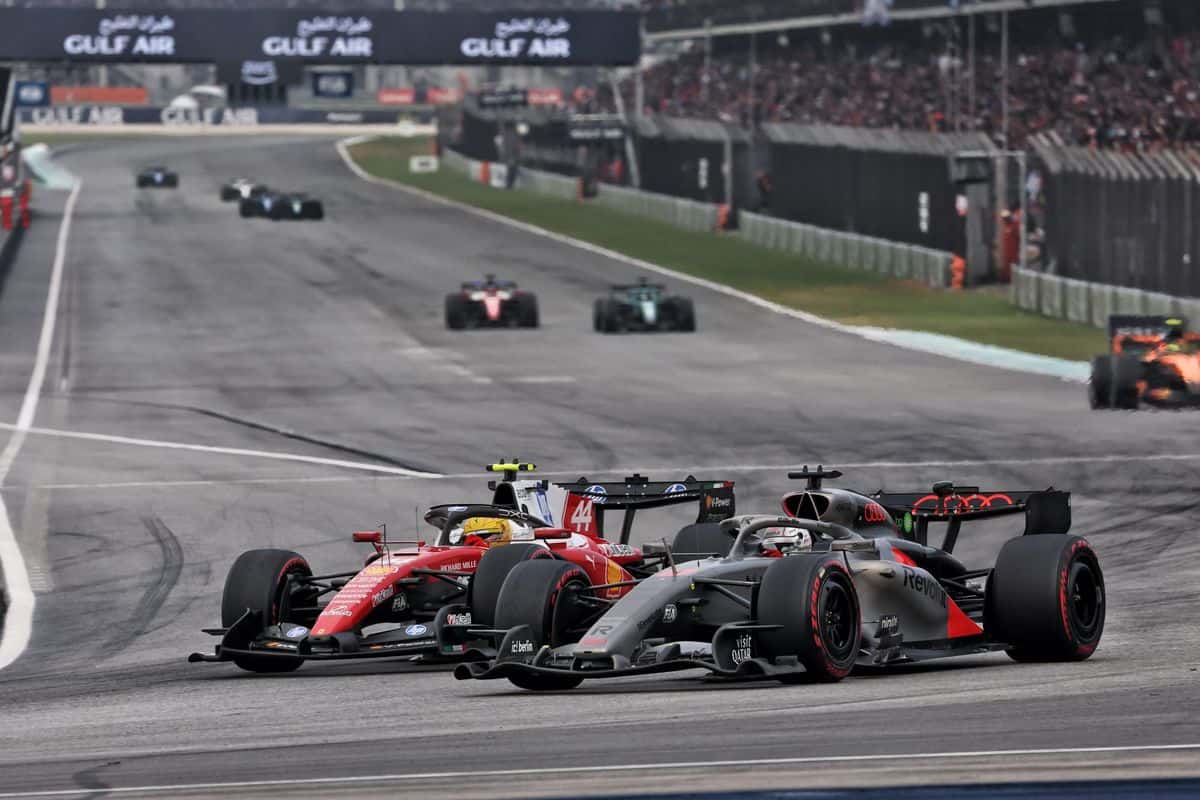
- Atlassian x Williams Racing: Collaboration Under Race-Day Pressure
Atlassian’s work with Williams Racing as Title Partner shows how workflow tools can be woven into elite performance environments. Williams uses Atlassian products to coordinate car development, manage sprint cycles and align trackside and factory teams around the same plans and issues, replacing fragmented spreadsheets and emails with structured, visible workstreams. Just years on from Williams’ famous story about tracking all their parts in Excel sheets, Williams had a clear need for a system to revolutionise their operations and found a true partner in Atlassian.
- For Williams, the benefit is operational – clearer ownership, faster iteration, and fewer mistakes when it matters most.
- For engineers and operations leaders watching, Formula 1 is an extreme stress test: processes must work at speed and scale, with no room for miscommunication.
- Atlassian’s brand story shifts from generic teamwork messaging to positioning itself as the integral system helping a historic team fight its way back up the grid. At the same time, it leverages the global scale of Formula 1 to build brand awareness and engage key stakeholders across international businesses.
Here, every race weekend is a narrative about collaboration and continuous improvement, with Atlassian embedded in the process, not just on the car.

- SafetyCulture x Australian Open: Invisible Safety, Visible Trust
SafetyCulture’s partnership with the Australian Open underlines how operational SaaS can become an invisible hero. The tournament uses SafetyCulture’s platform to run thousands of daily checks across the precinct – from seating, barriers and hospitality to back‑of‑house areas – with issues logged on mobile, triaged, and tracked through to resolution in real time.
- Fans experience a venue that feels safe and well‑run from the moment they arrive.
- Staff rely on the system to surface and resolve problems before they escalate, supported by live dashboards in control rooms.
- Visiting executives and partners can see actual operational data and incident flows, not just screenshots in a deck, turning the tournament into a credible case study for stadiums, venues and multi‑site enterprises.
For SafetyCulture, this turns abstract language about ‘risk management’ and ‘continuous improvement’ into a daily demonstration on a global stage.

Across these examples, the pattern is the same: sponsorship works when the SaaS solution solves a real operational problem for the rights holder, is embedded in the workflows staff rely on every day, and seamlessly creates experiences that fans or guests benefit from, even if they never see a login screen.
The Data Behind the Decisions
At The Value Xchange, data guides every stage of our sponsorship lifecycle. One of our core tools is Luscid, an audience intelligence platform that aggregates data from sources including GWI and Meltwater. Using Luscid, we analysed how different groups engage with sport, culture, and live events. Looking at reach, participation rates, digital consumption, and broadcast viewing to understand where attention lives.
When we isolate SaaS audiences, sport consistently emerges as the strongest opportunity set, with football, Formula 1, Formula E, cycling, tennis, athletics, swimming, winter sports, golf and basketball leading the way. These are global, technologically advanced environments where performance depends on data, systems and marginal gains – the same themes that dominate SaaS buying decisions.
For CIOs, CTOs and operations leaders, seeing software embedded in these properties signals a brand that understands complex, always‑on operations. Since these sports run across multiple markets and time zones, they mirror the international footprint of scaled SaaS businesses, making them ideal platforms to demonstrate reliability, innovation and execution.
For TVX, that is the bar. Our role is to join the dots between what the product really does, where SaaS decision‑makers pay attention, and which rights holders are structurally set up to let software make a visible difference. That means fewer, deeper partnerships, built to serve marketing, sales and product simultaneously, and measured on usage, pipeline and trust - not just impressions.
The TVX Perspective
From our perspective, most SaaS brands still treat sponsorship as a nice‑to‑have awareness play, when in fact it should sit much closer to product, sales and customer success. The partnerships that truly move the needle are the ones where SaaS leaders walk into a box, paddock or control room and recognise their own world on the screens: live dashboards, tickets flowing, workflows closing out, and risks being managed in real time. Sponsorship for SaaS companies when activated right can be a highly leveraged form of product marketing and business development.
We believe SaaS needs to start every sponsorship conversation with three key questions:
- What real job can we do for this property?
- How will that show up in moments people genuinely care about?
- How do we turn those moments into stories that help our champions sell change internally?
If the answers are “logo exposure”, “generic fan engagement” and “one case study deck”, the deal is under‑powered. When the answers are “run a critical system”, “improve a measurable experience” and “build an always‑on proof environment for our ICP”, sponsorship stops being a discretionary spend and becomes part of the go‑to‑market strategy.
Looking Ahead: What's Next for SaaS Sponsorship
Over the next few years, we expect SaaS sponsorship to move in three clear directions.
First, from visibility to embedded operations: the most value will come from deals where the software is non‑negotiable to delivering the event or season, whether that is fan data, collaboration, safety, ticketing or service workflows. Rights holders will actively seek partners who can take cost, risk or complexity out of their systems, not just add a logo to their backdrop.
Second, from static assets to live proof environments. Executive guests will increasingly be shown ops rooms, data walls and backstage processes, not just suites and pitchside views. The best SaaS brands will script those experiences so that a matchday or race weekend doubles as a tailored demo of how their platform handles scale, spikes and failure modes, giving buyers a unique kind of due diligence they can’t get from a webinar.
Third, from one‑off campaigns to platform relationships. As SaaS categories mature and AI noise grows, brands will need consistent, distinctive platforms that they can build equity in over multiple seasons. That will favour long‑term partnerships with properties that mirror their audience footprint and product story, and it will put more responsibility on rights holders to protect fan trust – avoiding superficial ‘tech for tech’s sake’, instead focusing on changes supporters and staff can feel.
The TVX Role
If sponsorship is on your radar, now is a good time to be deliberate about it.
At TVX, our free Discover Lite audit offers an introductory assessment of how sponsorship could support your growth, based on audience fit, market context, and commercial value.
Get in touch if you’d like a clear starting point.