From the first race in 2004 to a fly-past over Sepang, Gulf Air's title partnership shows how long-term sponsors can adapt when an event is forced to move.
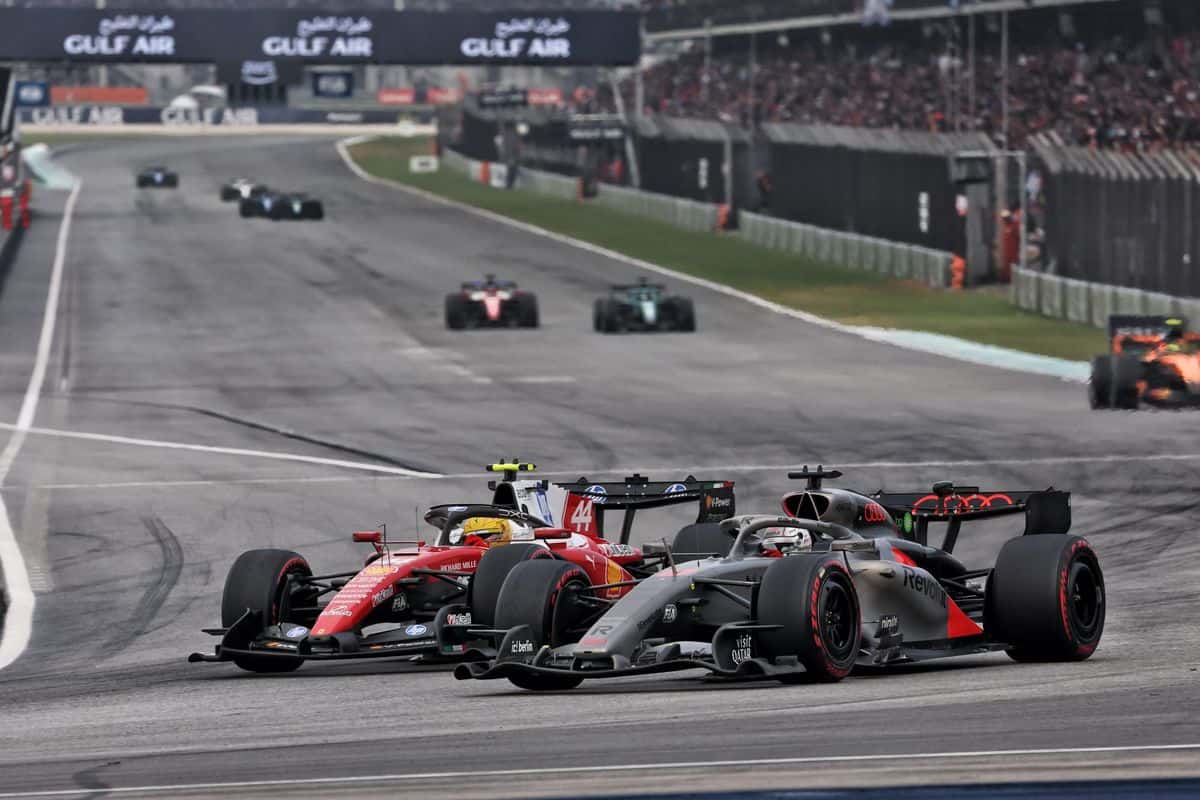
On Sunday, the lights went out at the Bahrain Grand Prix. It was 175 days late, and it was in Malaysia.
Max Verstappen won it, after torrential rain at Sepang pushed the start back by an hour and 40 minutes. It was Formula 1's first visit to the circuit since 2017, and the crowd reflected that, with weekend attendance reaching 261,000. That's more than double Sepang's previous record of 126,690, set in 2008.
The name tells you this wasn't a normal race. The Bahrain Grand Prix was meant to take place at Sakhir in April, but it was called off because of the conflict in the Middle East. Rather than lose it from the calendar altogether, Formula 1, the FIA and the two governments agreed in July to stage it at Sepang, Malaysia, making it the first Bahrain Grand Prix ever held outside Bahrain. Bahrain covered the rights fee, estimated at $70m to $80m (around £52m to £60m), which is why the race kept its name.
Gulf Air has been the title partner since the very first Bahrain Grand Prix in 2004. Formula 1 calls it the longest-standing title partnership in the sport, and the current deal runs until 2027. For Bahrain's national airline, the fit has always been an obvious one. When the deal was renewed last year, then chief executive Jeffrey Goh described it as a driver of tourism and global recognition for the country.
When the race moves, the objective doesn't
So what do you do when the race you sponsor to bring people to Bahrain is suddenly taking place in Malaysia?
When an event moves to another country, what you want from the sponsorship doesn't change. Gulf Air still wanted people visiting Bahrain and flying with Gulf Air. What changes is where you have to do the work and how long you've got to do it. Here, that meant entering a new market with about ten weeks' notice.
Gulf Air's answer started with flights. As soon as the move was confirmed, the airline announced a direct service between Bahrain and Kuala Lumpur, with the first flight landing a few days before the race. The airline was open about the launch being tied to its role as title sponsor, yet the service now runs three times a week all year round, so it will still be there long after the race has gone.
Gulf Air didn't stop at putting on flights. When race tickets went on sale in August, it launched promotional fares to Kuala Lumpur while its holidays arm sold the whole trip in one booking: flights, hotel, transfers and a race pass. At Sepang, it ran a Gulf Air Fan Zone open to every ticket holder - the airline says more than 35,000 people came through it over the weekend.
Bringing Bahrain to Malaysia
The best moment came just before the start. For more than 20 years, a Gulf Air jet has flown over the grid to open the Bahrain Grand Prix. At Sunday's race, a Gulf Air Boeing 787 flew over Sepang, the first time that fly-past has ever happened outside Bahrain. The race couldn't be in Bahrain, so Gulf Air brought one of the most recognisable parts of it to Malaysia.
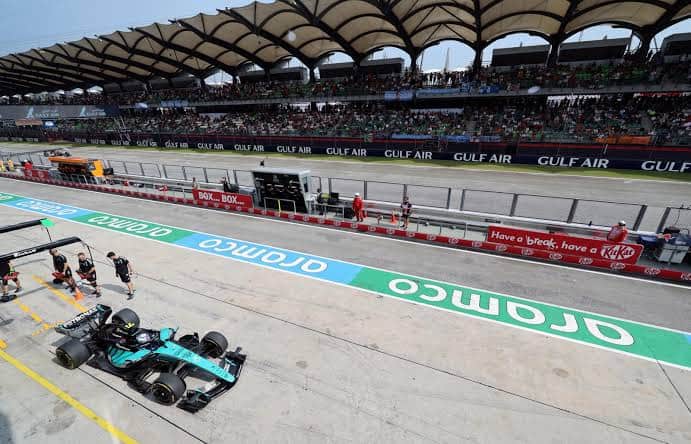
But Gulf Air wasn't the only brand with a claim on the race. Petronas was title sponsor of every Malaysian Grand Prix from 1999 to 2017, holds the naming rights to the Sepang circuit, and is the title partner of Mercedes, who ran a one-off green and black livery to mark the occasion. For one weekend, the venue carried one sponsor's name and the race carried another's, and it says a lot for both that neither got lost.
The fan experience still matters
There was, however, a lesson in the delivery. Tickets for a race in Malaysia were sold through the Bahrain circuit's website, and local fans complained about how difficult the process was. After Friday's running, spectators reported gridlocked roads and waits of more than three hours for shuttle buses. It goes to show that moving the name and the sponsors is the easy part; the fan experience has to be rebuilt from scratch for a new audience.
The Bahrain Grand Prix is due back at Sakhir next year, in what will be the final year of Gulf Air's current deal. After 22 years of sponsoring the same race in the same place, the airline was handed the hardest version of it.
It came out of it with a new route to Kuala Lumpur, a stronger presence in a new market and the partnership still very much intact.